WARNING: Don’t Be Fooled by Earthquake Lies!
“Get Out of That Doorway!” and Other Useful Tips For Living in Earthquake Country
You’ve probably been hearing about earthquakes all of your life. But how much of it is true?
We will separate fact from fiction in this top 10 list of common earthquake myths!
- One common earthquake myth is the idea of “earthquake weather”. In the wake of the most recent heat wave in Los Angeles, residents might be concerned that the hot, dry weather could spell disaster and signal an impending major quake. This, however, is not true. Earthquakes can come at any time and during any type of weather, so it’s best to be prepared no matter what!
 Another “fact” that has been passed off as truth is that bigger earthquakes happen in the morning. Although some people may have seen this to be the tendency, it is certainly not the rule. There have been plenty of notable earthquakes that have occurred in the afternoon and evening, and, just like the weather, the time of day has no bearing on the chance of an earthquake striking, nor can it determine its magnitude.
- Megaquakes are another bit of earthquake lore that you might have been led to believe. Any quake over a magnitude of 10 is considered “implausible” by most scientists. This is because there is no known fault long enough to cause an earthquake with a magnitude over 10.5. For example, the most well-known fault in the U.S., the San Andreas Fault, is only 800 miles long, which could not possibly cause such a strong quake.
- You may be familiar with the TV and movie trope of an animal with an extra special sense for such things as bad weather or if Timmy is trapped in the well. While this looks good on television, it is not really applicable to real life. Studies have shown no correlation between unusual animal behavior and the onset of earthquakes. While Fido or Fifi might be able to sense a smaller-magnitude earthquake that we humans cannot, they are not reliable predictors of an upcoming earthquake.
- Just as animals are unable to predict earthquakes, so too are humans. While scientists can record and analyze earthquakes as they happen, there has been no proven case of an earthquake being predicted before it occurs.
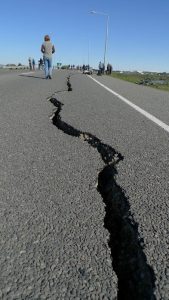
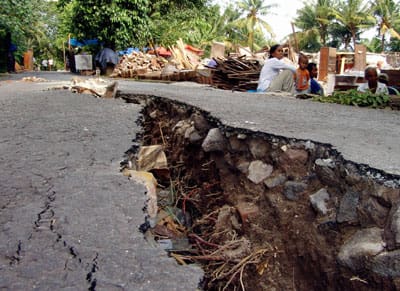
- Another disaster movie scene you may be familiar with is the ground opening up and swallowing people in the throes of a major quake. Again, though this may look good on the big screen, it is not actually possible. This is because the earth moves across a
 fault and not away from it during a quake. If the fault were to open, there would be a lack of friction and therefore no earthquake.
- Yet another popular earthquake horror story is the one about an earthquake so large that it causes California to break apart from the rest of the U.S. and fall into the ocean. As much as some people might even welcome this, it will never occur. The movement of California is horizontal along the San Andreas fault, and north towards Alaska, and the Golden State is nowhere near breaking off from the rest of the country and sinking into the ocean.
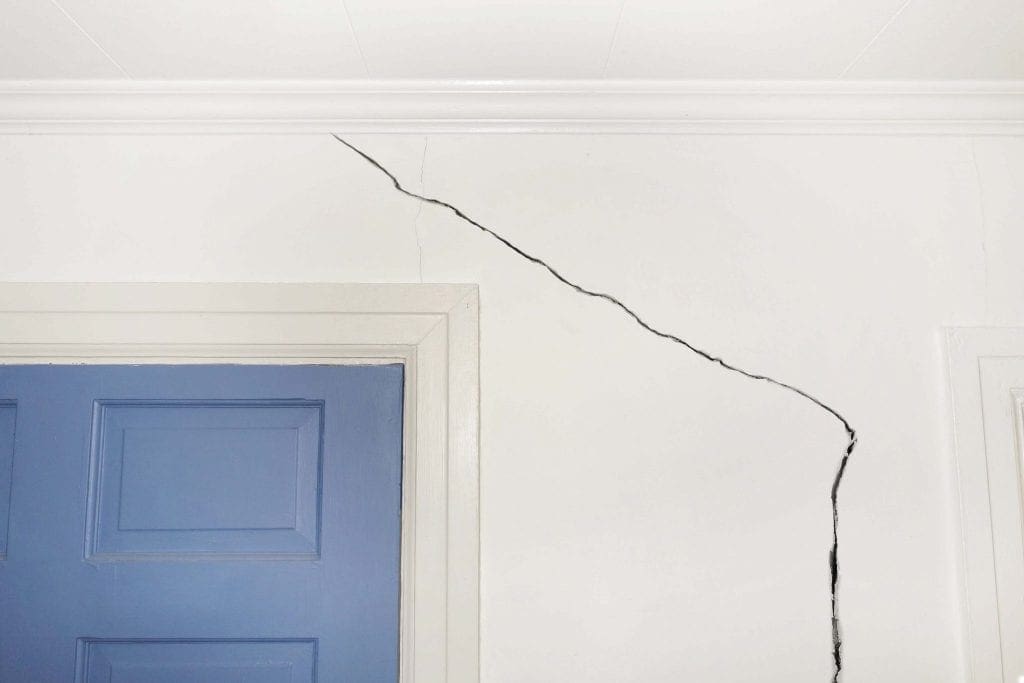
- Probably the most popular of the earthquake “advice” people have been doling out over the years is the good old, “Stand in a doorway!” direction. The truth is that you are much safer under a table than you would be in a doorway. Most modern buildings are built so that the doorway is not any stronger than the rest of the structure, and there is even the chance of injury from the swinging of the door in a doorway. Ouch!
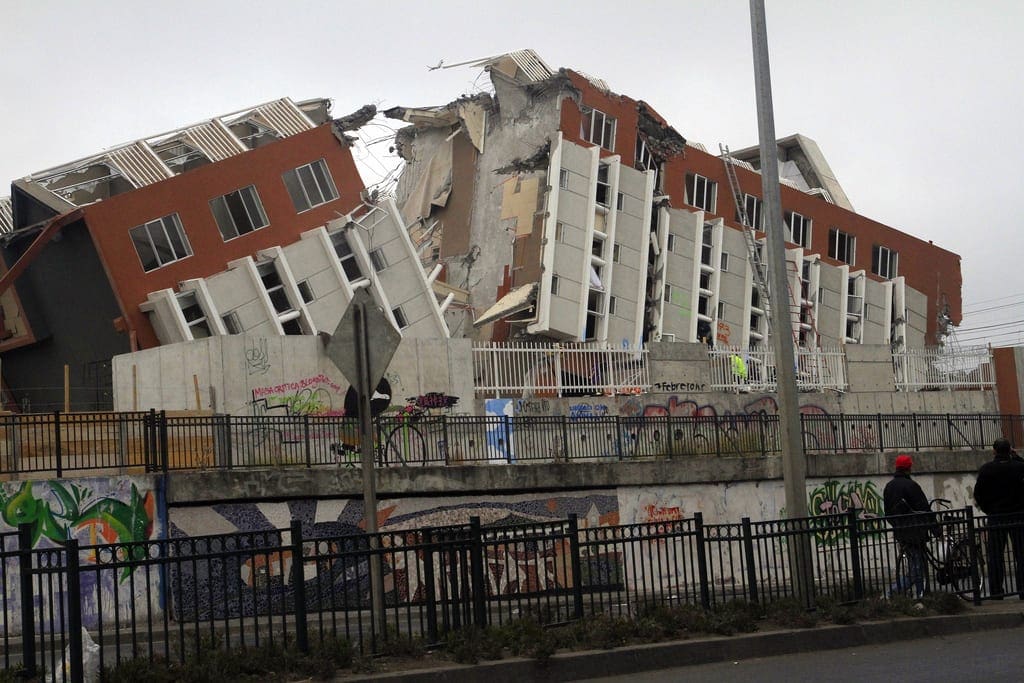
- Many people believe that strict building codes mean strong buildings. While this is true for many recently built buildings, it does not account for the myriad older buildings that were built under earlier, less stringent building codes. The responsibility for retrofitting lies with the owners of such older buildings to bring their properties up to code and keep everyone safe.
- The final myth is the idea that everyone will panic in the event of a massive quake. Luckily, while the idea of an earthquake is scary for many, research shows that most people remain calm and collected during such an emergency rather than running around screaming and losing their minds. Proper preparedness and protection now will help you in the future should the next big earthquake strike.
Sources:
http://earthquake.usgs.gov/learn/topics/megaqk_facts_fantasy.php
http://www.consrv.ca.gov/index/earthquakes/Pages/qh_earthquakes_myths.aspx
http://www.scec.org/education/public/allmyths.html
http://www.nbclosangeles.com/news/local/Earthquake-Myths-172886441.html
About Weinstein Construction
Weinstein Construction has protected Southern California homes and commercial buildings since 1977, bringing nearly 50 years of specialized experience in foundation repair, house bolting, and earthquake retrofitting. Our team has completed more than 80,000 inspections and over 8,000 retrofit and foundation projects across Los Angeles and the surrounding region, delivering engineering-grade solutions built to meet California’s seismic standards. Every recommendation we make is grounded in decades of hands-on field experience and a commitment to doing the job right the first time. Learn more about our team or reach out anytime with questions about your foundation or earthquake preparedness.