Sister Walls
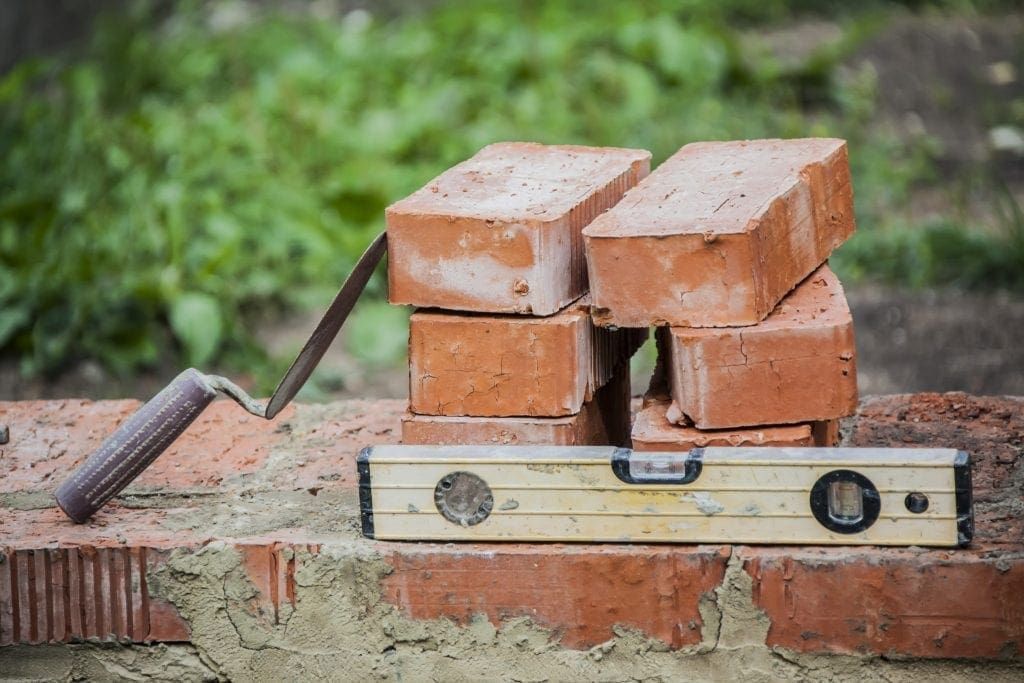
Many homes in Pasadena, California, and other parts of the San Gabriel area are built on brick foundations. These foundations were around as early as 1890 or even earlier (and some, of course, more recently). Masonry foundations, like traditional red brick chimneys, lack rebar reinforcement. Over time, environmental influences, such as rainwater and active fault lines, begin to weigh them down. That’s when they begin to fail. And they do so faster and more vehemently than traditional concrete foundations.
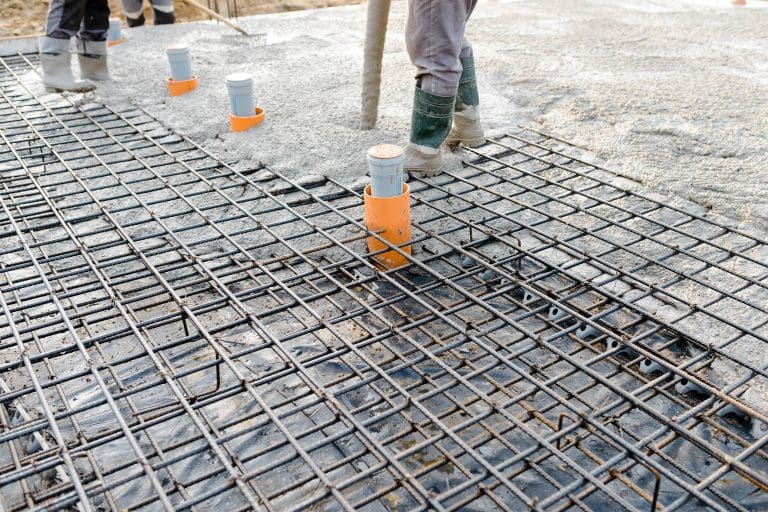
There are a few notable solutions to stabilize these old brick supports, one of which is a sister foundation: the process of erecting a concrete wall reinforced with steel adjacent to the old brick wall. Once installed, it upholds the integrity of the support that the original wall was once young enough to endure. (Click here for more detailed information to see whether sister walls are right for you.)
The term “sister” is used in other fields other than foundation repair. In electrical engineering, for instance, it can describe a unit designed to offset a heavy influx of electrical current in a closed-circuit system. When we consider the importance of this term globally, we suspect it derives its name and inherent meaning from the traditional nuclear family. A sister, in this case, is the daughter or sister who adds significant value to her parents and siblings. When we reapply it to the support needed for brick foundations, the sister wall provides additional support for homes at risk of severe structural damage.
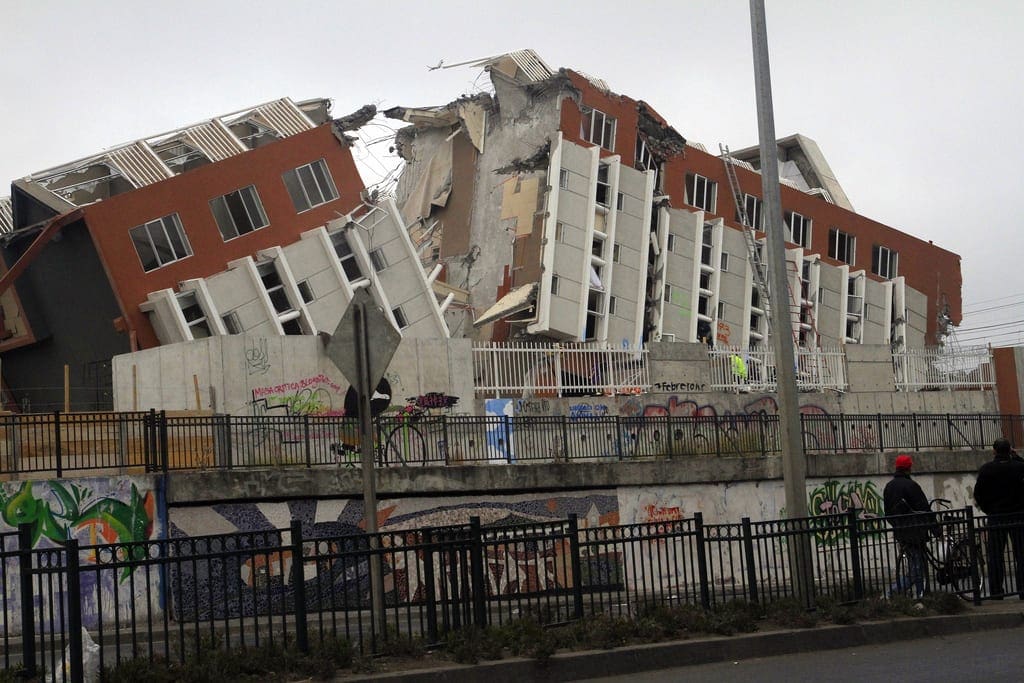
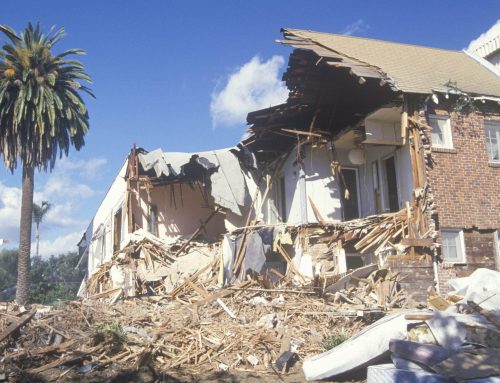
In the event of a major earthquake here in Southern California, a failing brick foundation may lead to a completely damaged home. Keeping in mind that many of these brick foundations are old by nature, they have managed to survive through numerous earthquakes as it is. As they continue to absorb tectonic pressure from the earth, any additional environmental stress, such as torrential rainfall, may easily knock the house of cards over.
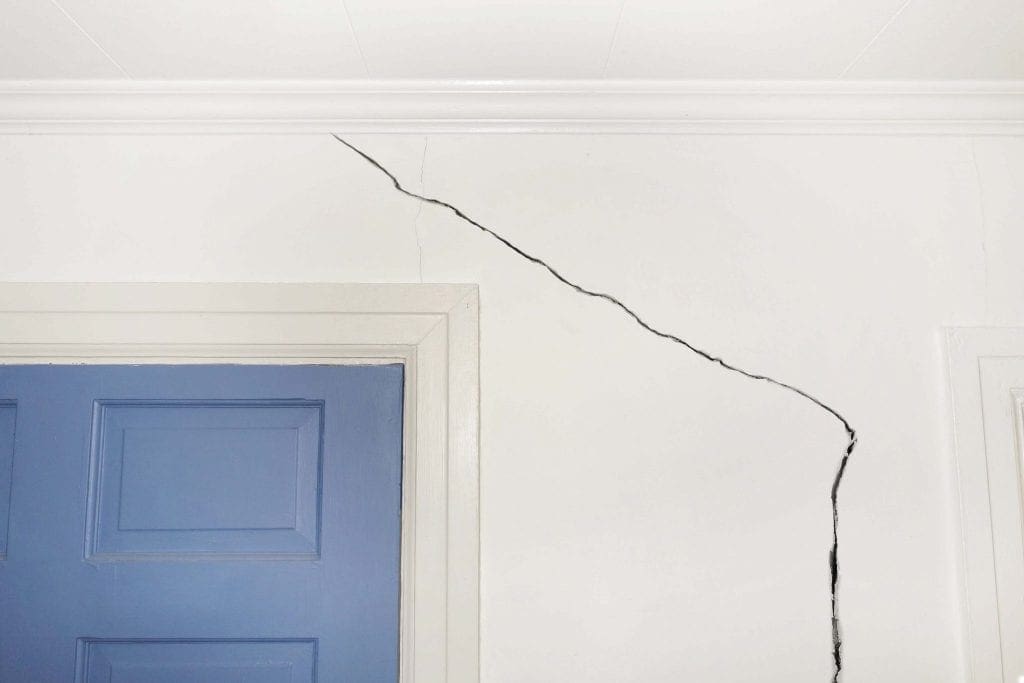
Until then, your home may experience severe cracking and shifting, causing doors and windows to be difficult to open and close, floors to squeak, and walls to become noticeably unstable. Simply put, a failing brick foundation is unsafe and will require very costly repairs, especially if the long-term solution is put on the back burner.
Other foundations that commonly need sister walls include river rock and stone foundations. As their names suggest, they are made entirely out of naturally found rocks and stones. During construction, they are piled and “glued” together with mortar, which may weaken over time due to seismic activity. Many engineers agree that replenishing the mortar is a good short-term solution. Weinstein Retrofitting Systems and the engineers we work closely with believe that adding sister support is one of the most structurally practical approaches. The new sister wall typically adds another 75 years of structural strength to the concrete under today’s building codes, providing you and your family with peace of mind.
About Weinstein Construction
Weinstein Construction has protected Southern California homes and commercial buildings since 1977, bringing nearly 50 years of specialized experience in foundation repair, house bolting, and earthquake retrofitting. Our team has completed more than 80,000 inspections and over 8,000 retrofit and foundation projects across Los Angeles and the surrounding region, delivering engineering-grade solutions built to meet California’s seismic standards. Every recommendation we make is grounded in decades of hands-on field experience and a commitment to doing the job right the first time. Learn more about our team or reach out anytime with questions about your foundation or earthquake preparedness.