The Los Angeles City Council began initial discussions of Mayor Eric Garcetti’s Resilience by Design plan during its meeting on Wednesday morning.
Resilience by Design is the effort of Garcetti and Jones, which focuses on three major sectors that will help the City in case of major seismic activity:
- Fortifying buildings
- Fortifying the water system
- Fortifying communications
“Tied together, these actions will strengthen resilience in our City for decades to come,” Garcetti wrote in a blog post announcing the plan.
While the water system and communications upgrades will fall to the City and its agencies, property owners will be responsible for retrofitting their soft-story and non-steel-reinforced-concrete buildings.
“A strong earthquake in Los Angeles would cause some buildings to collapse, but would leave many more standing but unusable, which would close businesses, deny residents access to goods and services, and devastate our economy,” the report said.
According to the report, there are currently more than 29,000 wood-frame apartment buildings with five or more units in Los Angeles, and nearly 16,000 of these are soft-story buildings. Garcetti’s plan will require these buildings, in which one or more floors have wide, unobstructed space where a stabilizing wall would normally be required, to be retrofitted over the next five years.
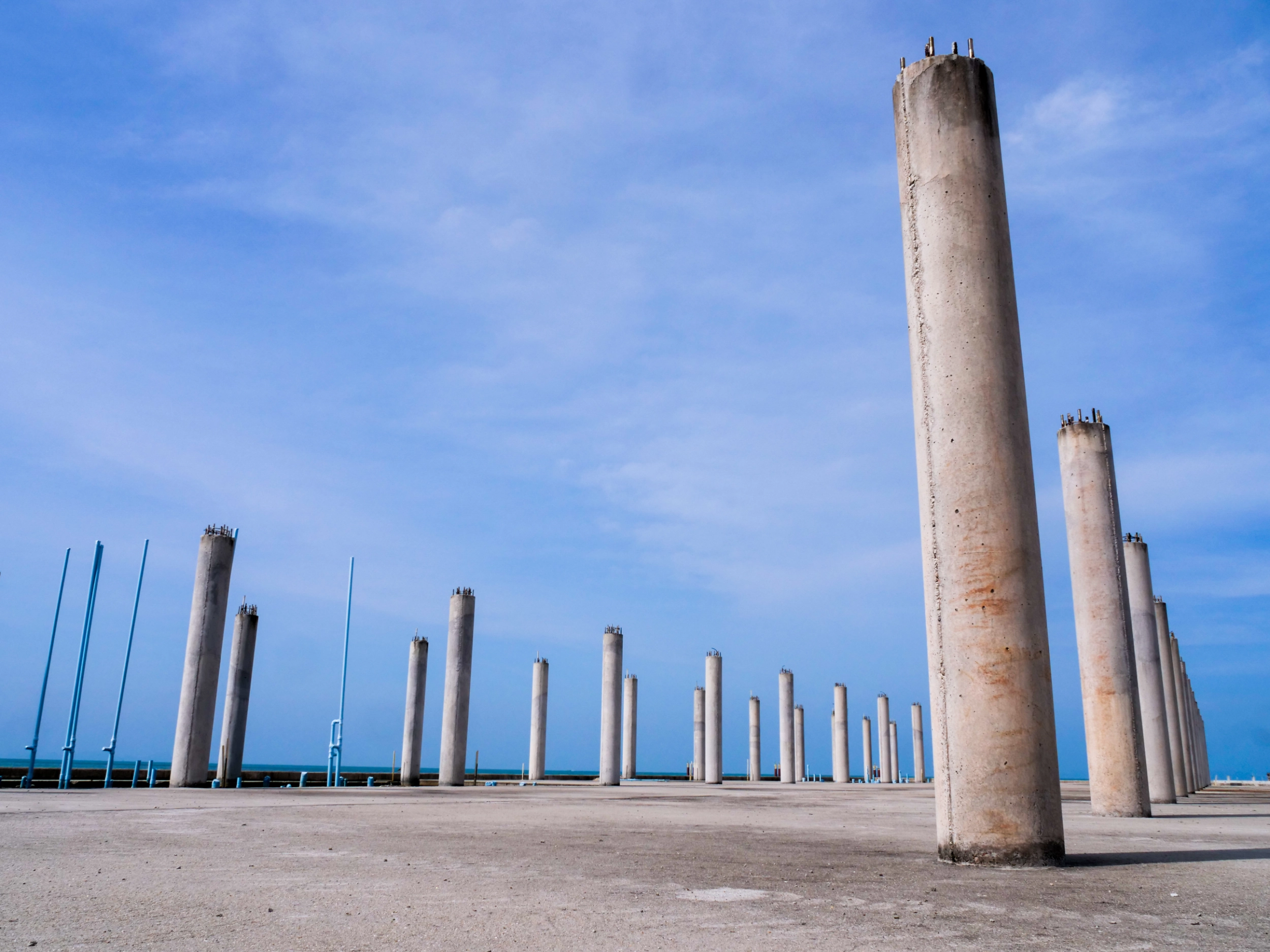
The plan will also require retrofitting over 1,400 non-steel-reinforced concrete buildings within 30 years. These structures are brittle and, without the rebar reinforcement used in concrete structures today, have limited capacity to absorb seismic activity and an increased likelihood of collapse.
“The biggest risk to our lives is posed by our older buildings, because the harsh reality is no building code in the world is retroactive, and however much we improve the building code, it doesn’t make older buildings disappear,” Garcetti told CBS, Los Angeles.
During an interview with the Planning Report, Jones said that, because of the number of people living near the San Andreas Fault, they estimate that during an earthquake, approximately 300,000 buildings would be damaged enough to lose at least 10 percent of their value, and 1,500 would collapse.
“Our current building code does not try to protect the building,” Jones told the Planning Report last month. “It solely tries to protect lives. We say philosophically, ‘If you choose to build a building that leads to big financial loss after an earthquake, that’s your financial choice to make. You just can’t kill people in the process.’ We have said that the role of government is solely about protecting lives. If your building is a complete loss but didn’t kill anybody, we say it was a real success.”
So what happened at the meeting?
Talks between the council, Science Advisor for Seismic Safety, Seismologist Lucy Jones, and Los Angeles residents showed that the biggest obstacle to implementing the plan will be funding.
Because retrofitting mandates will affect the most people in Los Angeles, most of the discussion focused on whether retrofitting mandates are necessary, why they are necessary, and who should bear the cost.
A representative from the Apartment Owners Association of California encouraged the council to determine how the mandate will be financed before passing the proposal. There is currently a debate about who should be financially responsible for the retrofits, whether it is the property owner, tenant, or government.
Both Angelenos and Councilmembers agree that action is needed to prepare the city for a large-scale seismic event.
“We’re focused on how to make sure the city is still here and exists after the earthquake,” Jones said. “Trying to create resilience for our city means a society that is still functioning. To accomplish that, we need to survive the earthquake… we need to be able to respond, and then we need to be able to recover.”
The goal will be to not only save as many lives as possible during a big earthquake but also set Los Angeles up to sustain itself in the wake of the damage.
“Very few buildings are built for functionality,” Jones said. “[We need to] focus on personal responsibility. Building codes are to make sure you don’t kill someone with your building, but you have a choice about how much money you want to invest in it. The [quicker] we can get our big employers back to work is key.”
At this point, no decisions regarding the Resilience by Design plan have been made. The City Council will continue to discuss the plan and figure out the most feasible way to implement it.
Why is this important?
Jones and a multidisciplinary team of over 200 experts, convened by the Multi-Hazards demonstration project of the United States Geological Survey, worked together to map the impacts a large earthquake would have on Southern California and what it would take to sustain life as we know it.
The Shakeout Scenario considers the impacts of a probable magnitude 7.8 earthquake on the southern San Andreas Fault. According to the plan, the scenario earthquake estimates approximately 1,800 deaths and $213 billion of economic losses across Southern California, consisting of: $47.7 billion due to shaking damage; $65 billion due to fire damage; $96.2 billion due to business interruption costs; and $4.3 billion due to traffic delays.
That is a hypothetical approximation. However, according to the Public Policy Institute of California (2006), Los Angeles lost 49,000 homes and apartment buildings in the 1994 Northridge earthquake, two-thirds of which were in soft-first-story buildings. The ShakeOut Scenario predicts the collapse of 1,500 buildings, mostly concrete and soft-first-story structures, resulting in almost 700 fatalities and thousands of injuries.
So what does this mean for you?
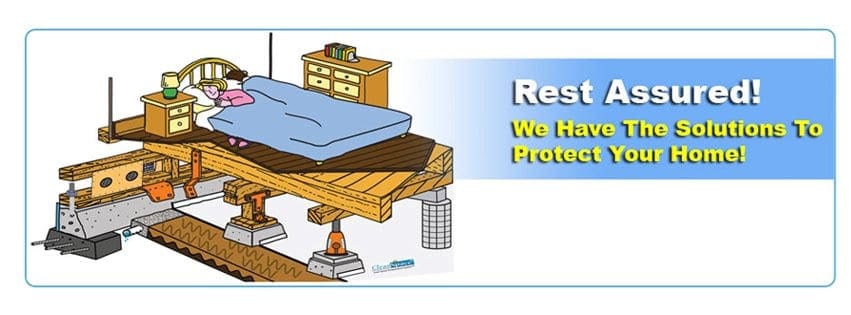
Fortunately, the remedy for the structural problem is straightforward and can be carried out without considerable disruption to a building’s residents. Since the most obvious threat from earthquakes is physical damage to vulnerable buildings, building owners need to reinforce the first story of their buildings to ensure stability. Modern building codes were created to maximize life safety, but to maintain life, our city needs to be able to save buildings as well, which means modernizing both the old building codes and the old buildings themselves.
If you live in an apartment building, especially one with a soft-story first floor, find out if your building has been retrofitted. If not, talk with your landlord about what can be done to make your home safer. A licensed seismic retrofitting company, such as Weinstein Construction, can be hired to strengthen the soft first story. Renters need to rally other tenants and encourage (through phone calls AND written letters) the property owners to seismically retrofit soft-first-story buildings before it is too late. If the Resilience by Design plan is approved, owners will technically have five years before the retrofit is mandatory. However, sooner is safer and less expensive for everyone.
If you own your home, you should make sure that it is seismically sound. This will involve calling a licensed seismic retrofitting company, such as Weinstein Construction, which will send an expert inspector to evaluate your property. They can help you develop an affordable plan to ensure your home’s safety.