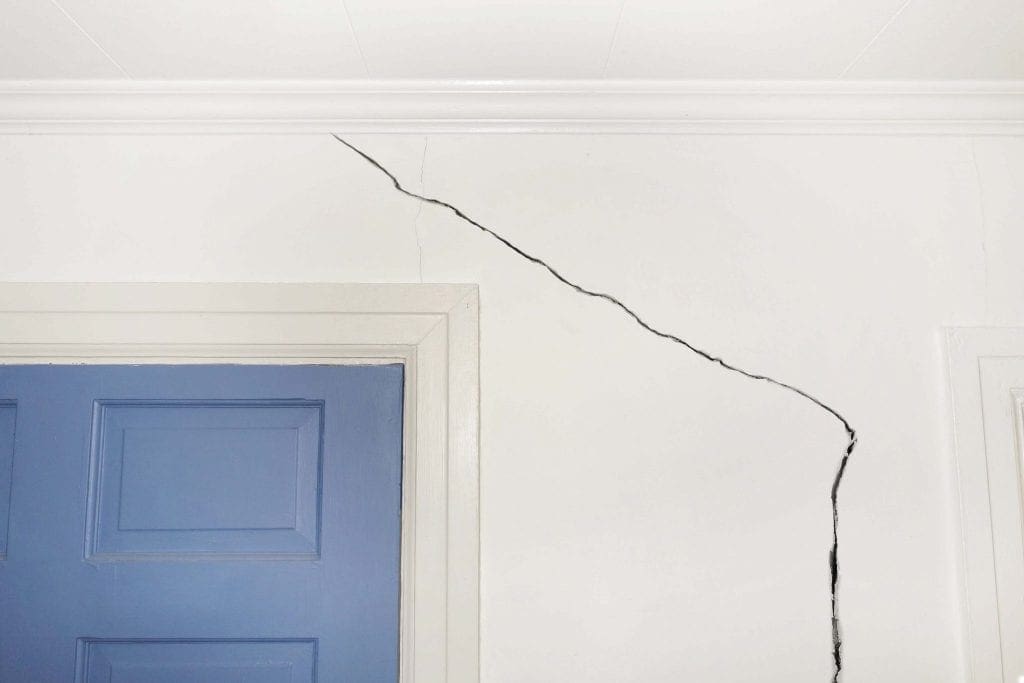
Concrete slab foundations didn’t become popular until after WWII when soldiers returned from the war and wanted to buy homes. With the demand for new homes on the rise, it was quickly discovered that slab foundations were more time and cost efficient than wooden structure foundations. Originally home foundations were normally no thicker than four inches and offered no reinforcing rods or wire mesh to support it. The problem found with not having this extra support is it leaves the concrete vulnerable to shifting, buckling, and cracking. With over half of today’s structures built using this type of foundations, they have come a long way since then, presently certain building codes and mandates have been set in place to make sure the foundations have more support and structure for the type of terrain the house is being built on.
Benefits of Concrete Foundations
- Cost Effectiveness – The cost to have this type foundation poured is generally a lot less than the other options like wood and beam structure foundations.
- Pest Control – Having a solid foundation prevents any rodents and bugs entering the house from beneath it.
- Rotting – Have a sink or toilet overflow? Maybe a pipe has burst under your kitchen sink? No worries, with a concrete foundation there is no chance of the subfloor rotting away.
- Ease of Entry – With being poured at grade level it makes it very easy to enter the home. This is very convenient for an older senior that may have difficulties with stairs or for a person with a disability in a wheelchair to enter the home.
- Insulation – When you think of concrete, you think cold right? Think again! This foundation has been proven to help better insulate the home saving homeowners money with heating and cooling costs.
- Keeping the Family Healthy – Slab foundations are known for having less flooding and gas leaks than homes with a crawl space. This prevents most mold and mildew issues commonly associated with other types of foundations.
- Time Restraints – With common slab foundations able to be poured all at once, the foundation can be ready for build shortly. If you are faced with a tight competition date or looking to expedite a project that is already running behind, this foundation will help to quicken the process.
Types of Slab Foundations
Though there are many different types of concrete slab foundations they all require the same preparations. First, the sod and the top layer of soil need to be removed. Then the ground has to be excavated and made level through a process called grading. During the leveling and grading process, the ground will be sloped so that water and rain will run away from the home instead of allowing the water to puddle at the foundation. Here are the most common two types of cement slab foundations.
T-Shaped
This option is mainly used for places where the ground will freeze. It places concrete footings below the frost line in the ground first. Then a foundation is poured and allowed to cure. After cured the stem walls are constructed and wire mesh is laid out before the concrete slab is poured.
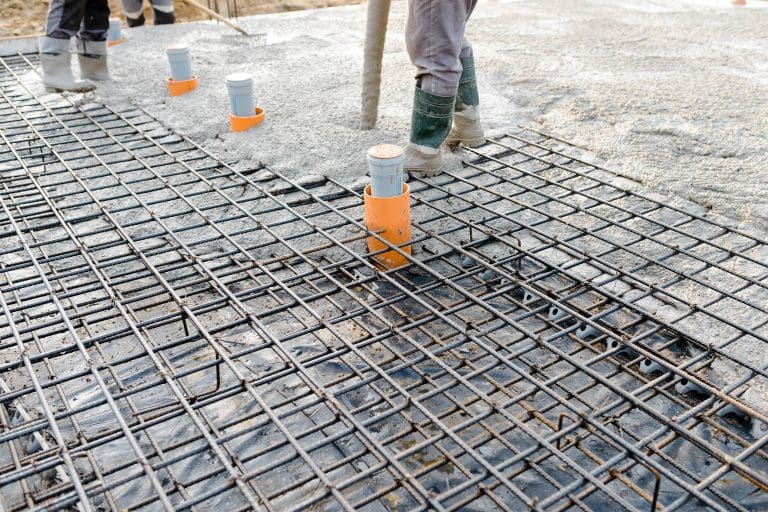
Slab-on-Grade Foundations
This is exactly what it sounds like: a several-inch-thick, single layer of concrete, normally formed on top of a layer of gravel to improve drainage. The foundation is poured thicker towards the edges to create an integral footing. It is reinforced with both wire mesh and steel rods that provide the foundation with strength. This is best used in an area where the ground does not freeze. Slab-on-grade foundations in frost-prone areas can be insulated with two sheets of polystyrene insulation. One has to be placed flat on the wall’s gravel base, and the other has to be placed against the outside foundation. This process retains heat from the structure beneath the ground, preventing frost from penetrating it. Insulating a slab-on-grade foundation against frost will only be effective for a structure that is heated.
All concrete foundations have what is known as stem walls. Stem walls normally consist of cinder blocks stacked three high. The cinder blocks are placed one row at a time, and the cells of the cinder blocks are filled with concrete before moving on to the next row. They are laid at the same time the slab is poured onto the foundation, so no separation from the wall and slab is created. With no separation between the stem walls and the slab, this ensures that no water can penetrate the structure. Stem walls also provide strength to the structure and load-bearing walls. In locations impacted by severe storms, stem walls are often found to help keep the structure sound.
No matter where you are located or what climate your backyard has, a concrete slab foundation is the best choice. Remember all the advantages they offer, like the ease of pouring, the quick turnaround time, and the waterproof seam. So, when you are looking for the best foundation for your new home or structure, there is no need to look any further than a concrete slab foundation.
About Weinstein Construction
Weinstein Construction has protected Southern California homes and commercial buildings since 1977, bringing nearly 50 years of specialized experience in foundation repair, house bolting, and earthquake retrofitting. Our team has completed more than 80,000 inspections and over 8,000 retrofit and foundation projects across Los Angeles and the surrounding region, delivering engineering-grade solutions built to meet California’s seismic standards. Every recommendation we make is grounded in decades of hands-on field experience and a commitment to doing the job right the first time. Learn more about our team or reach out anytime with questions about your foundation or earthquake preparedness.