Why Do My Wood Floors Squeak?
Squeaky wood floors can be found in many older homes throughout Los Angeles and surrounding areas such as Beverly Hills, Sylmar, Santa Monica, and Hollywood, CA, which is infamous for producing films that make creaky floors the most desirable horror setting. While creaking floors have their advantages, such as an ad-hoc sound surveillance system (making it almost impossible for any decent person who wakes up thirsty in the middle of the night to grab a glass of milk), many homeowners have learned to live with their squeaky floors by adapting their brains to block out those sounds. Some homeowners may even find comfort in the idea that “these floors can talk.”
When your floor makes noises, it’s almost as though your home is in dialogue with you every time you step over the spots that tend to squeak. Each time your floorboards squeak, they are reacting directly to the weight of your footstep, and the nails underneath the floorboard may be grinding against another metal connection piece on the floor joists.
Homeowners oftentimes ignore this sign because the floorboards on the surface look perfectly normal. Logically, however, if you are a homeowner, then you know that the problems, the more serious ones, happen from underneath the floorboards, where you can’t see the action happening. Maybe you have little to no access to identify what’s causing your floors to squeak and how to stop them from squeaking. More importantly, squeaky floors may be a very common side effect of much more serious problems, witnessed and dealt with daily in many homes throughout the San Fernando Valley, Los Angeles, and Southern California.
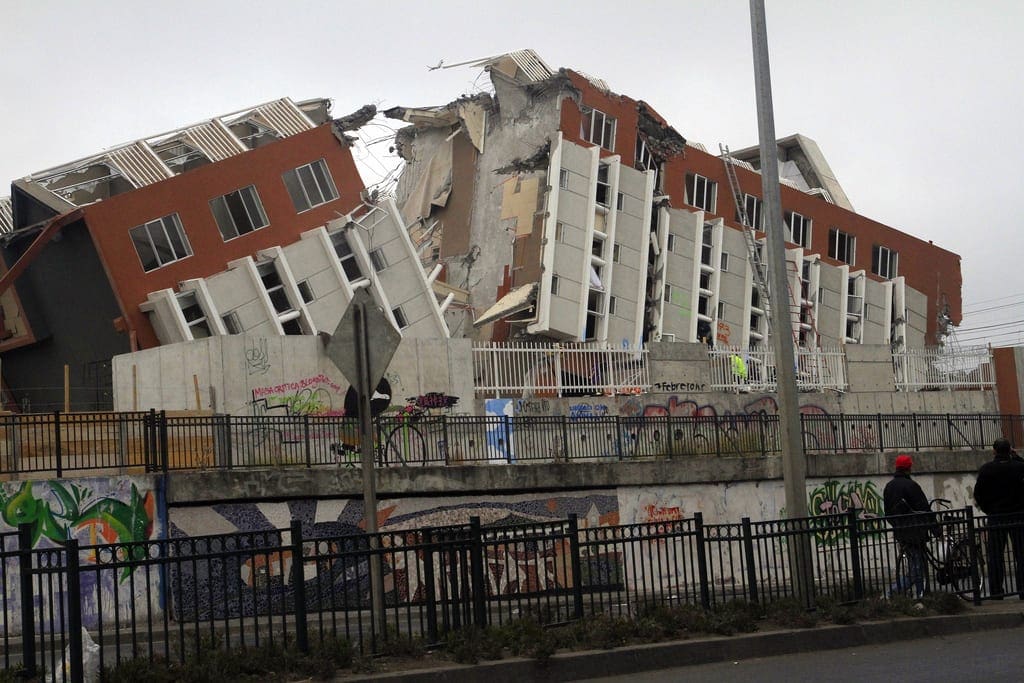
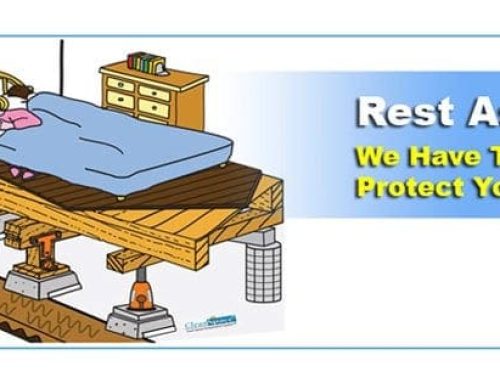
As sub-floor experts, we know there are two serious causes for floors that squeak in terms of building science: one is that your home may be sinking due to shifting soils, and the other is that the wood members in your sub-floor may be rotting and shrunk due to the expansive clay soils that shrink and swell with the change of wet and dry conditions underneath and around your home, or, damage due to moisture.
Four Things to Notice
To better determine the cause of your squeaky floors and to weed out any extraneous reasons, we have built a simple guideline to help you identify the symptoms of larger problems when you detect the sounds of squeaky wood floors:
Step One: Listen to your floors when they squeak. Do they squeak in various random areas even when small children walk by? Take notice of where they squeak and how sensitive they are to touch.
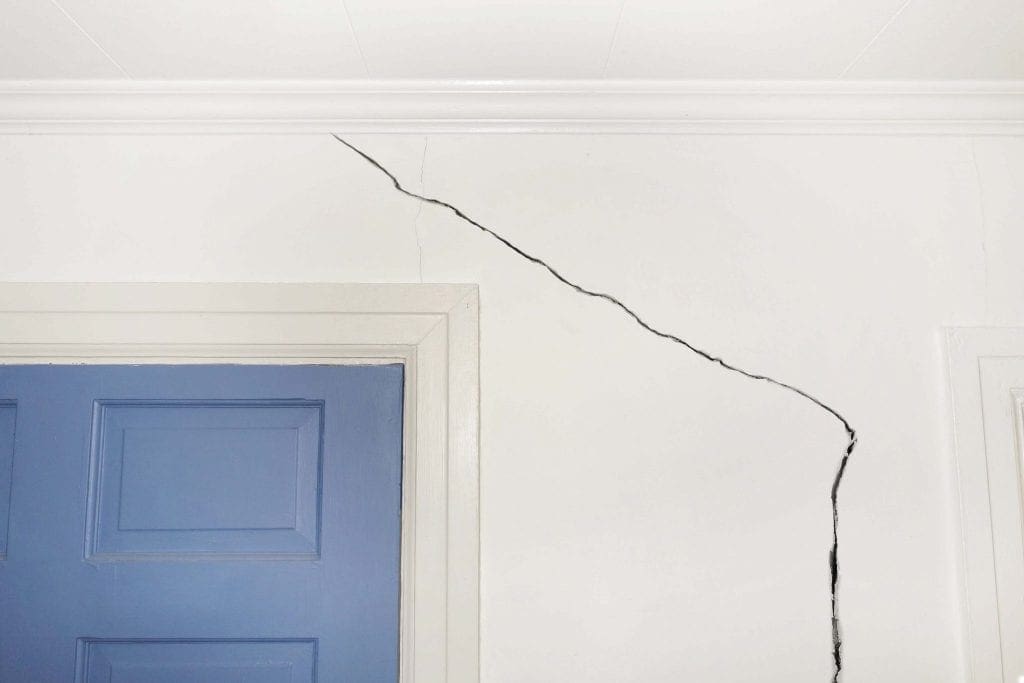
Step Two: Do you see interior cracks along doors and windows or where the ceiling and the walls meet?
Step Three: Do you see hairline cracks along the stucco, or even larger cracks?
Step Four: Drop some marbles! It’s better to place them carefully on the floor and see if they roll away on their own. A quick roll-away means your floors are probably not level. Your home may be sinking due to shifting soils!
The rest becomes hard to determine without a foundation expert. A handyman can repair the simple things, but if you have shifting soils or moisture under the house, there’s not much a handyman can do for your home.
Identifying if you have moisture issues under your house is not very simple, either. Especially in the summer, after the floorboards have dried out from a past rainy spring, they are especially squeaky.
Step Five: Consult with Weinstein Retrofitting!
Call Weinstein Retrofitting Systems. We are sub-floor experts trained to mitigate any floor problems at any time of the year. We can stabilize your home against shifting soil or solve any moisture-control problem. The first step is to have those problems inspected and identified. Only experts can assist you! With over 80,000 homes inspected throughout Los Angeles and the San Fernando Valley, there’s no problem we can’t solve!
About Weinstein Construction
Weinstein Construction has protected Southern California homes and commercial buildings since 1977, bringing nearly 50 years of specialized experience in foundation repair, house bolting, and earthquake retrofitting. Our team has completed more than 80,000 inspections and over 8,000 retrofit and foundation projects across Los Angeles and the surrounding region, delivering engineering-grade solutions built to meet California’s seismic standards. Every recommendation we make is grounded in decades of hands-on field experience and a commitment to doing the job right the first time. Learn more about our team or reach out anytime with questions about your foundation or earthquake preparedness.